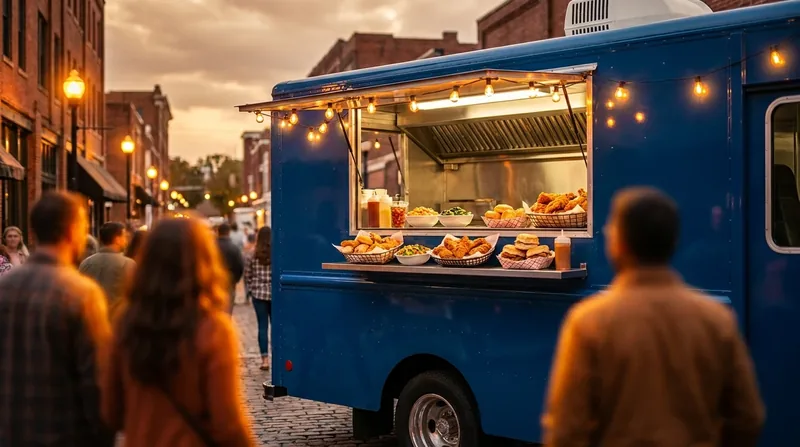
How to Start a Food Truck Business in Missouri
How to Start a Food Truck Business in Missouri
Starting a food truck in Missouri is achievable for entrepreneurs willing to navigate local health regulations and secure the right permits in the city or county where you plan to operate. Unlike some states, Missouri has no statewide food truck license or regulatory agency that oversees all mobile food vendors. Instead, each city and county sets its own rules, so your requirements depend entirely on where you intend to park and sell. This guide walks you through the essential steps, from choosing your vehicle and food menu to applying for a Kansas City food truck permit, a St. Louis food truck permit, or Springfield-area approval.
Materials and Equipment You Will Need
A food truck is not a casual side hustle. You will need significant capital and reliable equipment to operate safely and legally.
- Vehicle: A used commercial truck (step van, box truck, or trailer) typically costs $10,000 to $50,000 depending on condition. New purpose-built trucks run $75,000 to $150,000 or higher. The vehicle must have proper ventilation, grease-trap systems, and commercial-grade appliances.
- Kitchen equipment: Griddles, fryers, ovens, refrigeration, sinks, and prep tables. Budget $15,000 to $40,000 for a fully equipped kitchen, depending on your menu.
- Point-of-sale system: A portable POS terminal and payment processor ($500 to $2,000 setup plus monthly processing fees).
- Generator and utilities: A commercial-grade generator ($2,000 to $5,000) to power your truck when not hooked to external power. Propane tanks for heating and cooking.
- Water and waste systems: A potable water tank (100 to 200 gallons) and a gray water waste tank. Handwashing stations are mandatory.
- Permits and certifications: Business licenses, health permits, and insurance documentation (discussed below).
- Signage and branding: Vehicle wraps, menu boards, and logos ($2,000 to $5,000).
Total startup costs range from $30,000 to $100,000 or more, depending on your truck's condition and the complexity of your menu.
Step-by-Step Process to Launch Your Food Truck
Step 1: Choose Your Business Structure and Register with Missouri
Decide whether you will operate as a sole proprietorship, a limited liability company (LLC), or a corporation. An LLC offers personal liability protection and is common for small food truck operators. File your Articles of Organization with the Missouri Secretary of State (https://www.sos.mo.gov/business/corporations) online for $50. Processing is typically immediate. Missouri imposes no annual renewal fee or annual report for LLCs, which simplifies ongoing compliance.
If you choose a business name other than your legal name, you must also register a Fictitious Name with the Secretary of State using Form Corp. 56, which costs $7.
This content is informational only and not legal or tax advice. Consult an attorney about liability protection and a CPA about tax implications for your specific situation.
Step 2: Get a Food Handler Certification
Missouri has no statewide food handler card requirement, but many local health departments, including Kansas City, St. Louis City and St. Louis County, require food handler cards or certification as a condition of your health permit. Online courses are widely available and cost $10 to $30. You typically complete them in under two hours and receive a certificate valid for three to five years depending on your jurisdiction.
Step 3: Secure a Commissary Kitchen Agreement
Missouri food truck operators must use a licensed commercial kitchen (called a commissary) to prepare, store, and clean equipment when the truck is not in operation. You cannot use a home kitchen or a garage. A commissary must have commercial-grade appliances, separate handwashing facilities, and proper food storage. Many cities require you to name your commissary on your permit application.
Commissary costs vary widely: expect $500 to $2,000 per month or more, depending on the facility and your usage. Some established food trucks negotiate hourly rates or shared access. Contact your local health department to confirm which commissaries are licensed in your area.
Step 4: Understand Local Health Permit Requirements
This is the critical step. Missouri does not issue a statewide food truck license. Instead, each city or county where you operate requires a separate health permit from its local health department or environmental health office.
Kansas City food truck permit: The Kansas City Health Department issues mobile food unit permits. You must complete a food handler certification, provide proof of a commissary kitchen, pass a health inspection of your truck, and submit an application. Fees and processing times vary; contact the Kansas City Health Department directly to confirm current requirements and costs.
St. Louis food truck permit: St. Louis operates under different authority than Kansas City. The Street Department issues the food truck permit ($500 per year or $125 per quarter). Before it will approve you, you need a City of St. Louis Department of Health permit after passing a health inspection, a vending or business license from the License Collector, fire safety certification from the Building Division's Fire Safety Unit, and liability insurance naming the City as additional insured plus vehicle insurance.
Springfield, Missouri food truck permit: Springfield and Greene County have their own rules overseen by the Springfield-Greene County Health Department. Requirements, fees, and allowed vending locations vary. Springfield may restrict where you can operate (e.g., no food trucks in certain commercial districts or residential zones).
For any city or county you choose to operate in, verify the following before you buy your truck:
- Required commissary kitchen specifications and whether your chosen kitchen meets them.
- Truck inspection criteria (equipment, handwashing stations, drainage systems, propane safety).
- Zoning restrictions on where you can park or operate.
- Operating hours and day-of-week limits.
- Health permit fees and annual renewal costs.
- Insurance requirements and minimum liability coverage.
Step 5: Prepare Your Truck for Health Inspection
Your food truck must pass a comprehensive health inspection before you receive a permit to operate. Local health inspectors check for:
- Proper handwashing station with hot and cold running water.
- Three-compartment sink or approved washing equipment.
- Adequate refrigeration and food storage at safe temperatures.
- Grease trap and proper wastewater disposal system.
- Labeled and safely stored chemicals and cleaning supplies.
- Proper ventilation and exhaust hood system.
- Fire extinguisher in good condition.
- All food-contact surfaces are food-safe and cleanable.
You can schedule an inspection through your local health department once your truck is ready. Many operators schedule an informal pre-inspection to identify issues before the formal application.
Step 6: Register for Missouri Sales Tax and Employer Withholding
Even though Missouri has no statewide business license, you must register with the Missouri Department of Revenue (https://dor.mo.gov/register-business/) for sales tax if you sell food or taxable services. The sales tax rate varies by location: Missouri's base rate is 4.225 percent, but cities and counties add local taxes. Kansas City, St. Louis, and Springfield each have different combined rates, so research the rate where you will operate.
Registration is free and can be completed online. You will receive a sales tax permit number and be responsible for collecting and remitting sales tax on applicable items. If you hire employees, you must also register for unemployment insurance with Missouri's Division of Employment Security.
Step 7: Obtain Commercial Liability Insurance
Many cities require proof of commercial general liability insurance for your food truck (St. Louis, for example, requires the City to be named as additional insured), and minimum coverage amounts vary by jurisdiction. Some jurisdictions also require product liability insurance. Annual premiums vary widely ($500 to $2,000 or more) depending on your menu, location, and claims history. Consult with an insurance agent who handles food service businesses to confirm the coverage your jurisdiction requires.
Step 8: Apply for Your Local Health Permit
Once your truck is equipped, inspected, and insured, submit your formal application to the health department that oversees your intended operating area. Include:
- Proof of food handler certification.
- Commissary kitchen agreement or letter of authorization.
- Health inspection report showing your truck passed.
- Proof of commercial liability insurance.
- Your business license or EIN.
- A detailed description of your menu and food preparation procedures.
- Your operating locations and proposed hours.
Processing times vary. Some jurisdictions issue permits within two to four weeks; others take longer. Some jurisdictions issue annual permits; others require renewal every two years. Confirm the timeline and renewal process with your local health department.
Tips and Common Mistakes to Avoid
- Verify regulations before buying your truck. Do not assume one city's rules apply elsewhere in Missouri. Kansas City food truck permit requirements differ significantly from St. Louis and Springfield. Confirm zoning restrictions and location limits in your target city before investing in equipment or a commissary.
- Budget for ongoing commissary costs. Your monthly commissary bill is a fixed operating expense that many new operators underestimate. Build it into your budget from the start.
- Maintain detailed records of food sources, storage, and handling. Health inspectors expect to see documentation of food purchases, temperatures, and cleaning logs. Incomplete records are a common violation.
- Understand your local sales tax obligation. Missouri taxes most grocery-type food at a reduced state rate of 1.225 percent plus local taxes, while prepared food, which covers most food truck sales, is taxed at the full 4.225 percent state rate plus local taxes. Misunderstanding your jurisdiction's rules can result in penalties.
- Plan for equipment maintenance and replacement. Commercial kitchen equipment wears out faster on a mobile truck. Budget for repairs and replacement, especially for refrigeration and ventilation systems.
- Do not operate without a permit. Running an unlicensed food truck risks fines, health code violations, and confiscation of your equipment. It is not worth the risk.
- Renew permits on time. Missing a permit renewal deadline often triggers a lapse in coverage and may require a new health inspection. Mark renewal dates on your calendar and apply early.
Expected Timeline and Results
The process from deciding to start a food truck to receiving your first health permit typically takes two to six months, depending on your local health department's processing speed and how quickly you secure a commissary kitchen. If you also need to buy and customize a vehicle, add two to four months to that timeline.
Once you have your permit, you can legally operate your food truck and begin serving customers in your approved locations. Your health permit confirms that your truck meets sanitation and food safety standards. It does not guarantee customer demand, profitability, or success. Food trucks operate on thin margins, and success depends on location, menu, customer service, and consistent execution.
Disclaimer
This article is informational and does not constitute legal or tax advice. Food truck regulations, fees, and requirements vary significantly across Missouri's cities and counties and change periodically. Before you make any investment or commitment, contact your intended jurisdiction's health department, business licensing office, and local government to confirm all requirements. Consult a licensed attorney about your business structure and liability, and a CPA about your tax obligations. Regulations referenced here reflect current practice as of the publication date but may not reflect future changes.
Keep exploring: related Missouri guides
- Missouri Cottage Food Law
- How to Start a Winery, Brewery or Distillery in Missouri
- How to Start a Coffee Shop Business in Missouri
- How to Open a Restaurant in Missouri
- How to Get a Liquor License in Missouri
- How to Start an LLC in Missouri
- Missouri Business License
- How Much Does It Cost to Start a Business in Missouri
- All Missouri business types
- Every Missouri guide in one place