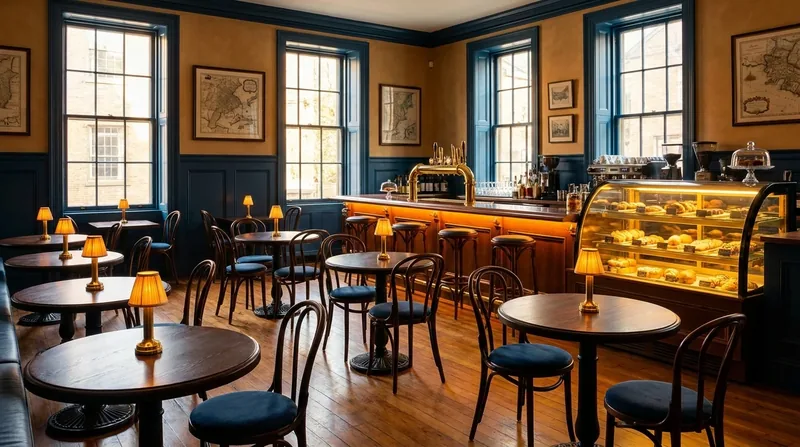
Missouri Cottage Food Law: Selling Food From Home in 2026
Missouri Cottage Food Law: Selling Food From Home in 2026
Missouri is one of the more permissive states when it comes to home food production. If you want to start a home-based food business, Missouri's cottage food law gives you a straightforward path. You can bake cookies, jams, and herbs in your own kitchen, then sell them directly to customers within the state, no state license required, no registration fee, and no sales cap.
This guide walks you through the legal requirements, what you can and cannot sell, how to label your products, and the steps to get your home bakery or food business started under Missouri's cottage food law.
What Is Missouri Cottage Food Law?
Missouri cottage food law, codified in RSMo 196.298, allows you to produce certain foods in your home kitchen and sell them directly to consumers without a commercial kitchen, state license, or inspection. The law was expanded in 2022 and removes several barriers that used to exist.
Under Missouri's cottage food law, there is no sales cap. Unlike many states that limit annual revenue from home food businesses, Missouri has no upper limit on how much you can earn. There is also no state registration requirement, you simply follow the labeling rule and the scope of sales restrictions.
This cottage food license missouri approach is popular because it lets small producers like home bakers, jam makers, and herb growers start with minimal overhead.
Which Foods Can You Sell Under the Missouri Cottage Food Law?
Not all foods qualify. Missouri allows only specific products to be made in a home kitchen under the cottage food law:
- Baked goods. Cookies, bread, brownies, cakes, pastries, and other non-potentially hazardous baked items. These must contain no cream cheese frosting, whipped cream toppings, or custard fillings.
- Canned jams and jellies. Fruit preserves made using a tested recipe and water-bath canning method. The statute names canned jam or jelly specifically.
- Dried herbs. Herbs dried and packaged for culinary use, such as dried basil, oregano, or bay leaves.
Foods NOT allowed under the missouri home bakery laws include anything requiring refrigeration (such as cream pies or cheesecake), meat products, canned vegetables, dairy products, sauces with low acidity, and anything requiring pressure-canning. Your state allows only the low-risk, shelf-stable products listed above.
Who Oversees Cottage Food Enforcement in Missouri?
No state agency licenses or registers cottage food operations. Under RSMo 196.298, a local health department may not regulate the production of food at a cottage food operation, although it keeps records of any consumer complaints. However, RSMo 71.990 is critical: it bars local governments from banning or licensing home-based businesses that have no public health impact. This means your city or county cannot block you from running a home bake business simply because you are operating from home.
Zoning rules for your neighborhood (for example, limits on customer traffic or signage) can still apply, so it is worth checking with your city before you start selling.
Step-by-Step Process to Start Selling Under Missouri's Cottage Food Law
Step 1: Confirm Your Local Regulations
Before you make your first batch, contact your county or city health department. Ask whether any zoning rules apply to your home business, even though state law bars local health departments from regulating cottage food production. Get written confirmation in case a question arises later.
Step 2: Choose Your Product and Verify the Recipe
If you are making baked goods, ensure your recipe avoids potentially hazardous ingredients like cream cheese, sour cream, or custard. If you are making jam, use a tested recipe from a source like the USDA or National Center for Home Food Preservation. Acidified recipes are critical for safety.
Step 3: Prepare Your Labeling Information
Your label is your proof of compliance. You will need:
- The name and address of your cottage food operation (required)
- The product name and ingredients list, including allergens (recommended)
- Net weight or volume (recommended)
- A statement that the food is not inspected by the Department of Health and Senior Services or the local health department (required)
The "not inspected" label is not optional, it is required by law. Print labels or write them by hand before you sell.
Step 4: Produce and Package Your Product
Make your baked goods, jams, or herbs in your home kitchen. Use clean equipment and follow food safety practices. Once finished, package your product in food-safe containers (jars, boxes, bags). Apply your labels clearly and ensure all information is legible.
Step 5: Understand Your Sales Restrictions
Under Missouri's cottage food law, you may only sell directly to consumers in Missouri. Direct sales mean face-to-face transactions: farmers markets, craft fairs, or farm stands. You may also sell online or by mail, but both the buyer and seller must be in Missouri. You cannot ship to other states or sell through retailers, wholesalers, or restaurants.
Step 6: Keep Simple Records
While not required by state law, keep records of when you made products and who you sold them to. If a customer ever has an issue, these notes will protect you. Also keep a copy of your label design.
Selling Baked Goods From Home in Missouri
Missouri home bakery laws are straightforward. You can bake and sell bread, cookies, brownies, bars, cakes without frosting, and most other shelf-stable baked goods. Avoid fillings or toppings that require refrigeration. Your only regulatory obligation is the label with your name, address, and the "not inspected" statement.
Many home bakers in Missouri start by selling at farmers markets or through a simple online order form, shipping within the state. There is no cap on sales, so if you find demand, you can scale up your kitchen production.
Labeling Requirements and the "Not Inspected" Statement
Proper labeling is the single most important compliance step. The law requires items 1 and 5 below; the others are good practice:
- Your operation's name and address
- The product name and net weight or volume
- A complete ingredient list
- Allergen information if applicable (e.g., "Contains peanuts," "Contains dairy")
- A clear, visible statement that reads "Not Inspected by a Health Department" or similar language
If you use a commercial label maker, upload a template. If you hand-write labels, use waterproof pen and ensure the information is clear. The "not inspected" statement is not a warning to scare customers, it is a legal requirement that informs them the product was made in an unlicensed home kitchen.
Sales Restrictions: Where You Can Sell
Your sales are limited to Missouri. You can sell:
- Direct to consumers at farmers markets, craft fairs, or farm stands
- Through online orders, if the buyer is in Missouri and you ship within the state
- By mail or courier, provided both you and the customer are in Missouri
You cannot sell through retail stores, restaurants, wholesalers, or online marketplaces that ship nationwide. You cannot ship outside Missouri. If you want to scale into those channels, you would need to move production to a commercial licensed kitchen and obtain the proper licenses and inspections.
Do You Need a Business License in Missouri?
Missouri does not require a general state business license. You do not need to file Articles of Organization with the Secretary of State just to operate a home food business. RSMo 71.990 also bars cities and counties from requiring a license for a no-impact home-based business, though other local rules such as zoning can still apply.
You will also need to register with the Missouri Department of Revenue for a sales tax license, because retail sales of food are taxable in Missouri (at a reduced 1.225 percent state rate for qualifying food, plus local taxes).
Tax Obligations
Income from your home food business is taxable. You will report it on your personal income tax return. Missouri has no minimum sales threshold for an in-state seller's sales tax license. Contact the Missouri Department of Revenue to determine your obligations based on your expected sales.
Tips for Success and Common Mistakes to Avoid
Tip 1: Start Small and Validate Demand
Make a small batch, test it at a farmers market or with friends, and gather feedback before scaling up. This helps you refine your recipe and understand your market.
Tip 2: Use Tested Recipes
For jams and other preserved foods, never invent your own recipe. Use tested recipes from the USDA or National Center for Home Food Preservation. Improper canning can lead to serious foodborne illness.
Tip 3: Keep Your Labels Accurate
Double-check your address on the label before you print. Misprinting your address can create compliance issues and confuse customers.
Mistake 1: Forgetting the "Not Inspected" Statement
This is required by law. Omitting it is the most common violation. Make sure it appears prominently on every label.
Mistake 2: Making Foods Outside the Allowed List
Do not attempt to make cream-filled baked goods, canned vegetables, or refrigerated items. You will be operating outside the law and exposing yourself to liability.
Mistake 3: Selling to Retailers or Online Platforms
If a grocery store or restaurant asks to stock your product, you cannot use the cottage food exemption. You would need a commercial kitchen and proper licensing.
Mistake 4: Assuming No Local Rules Apply
Even though state law protects you, contact your local health department first. Do not skip this step.
Expected Results and Next Steps
Once you follow the steps above, you should be able to legally produce and sell baked goods, jams, or dried herbs within Missouri. You may see orders grow over time as word spreads through farmers markets, online reviews, or word of mouth. You may find opportunities to expand your customer base, supply local events, or even transition to a commercial kitchen if demand warrants.
If you eventually want to expand beyond direct-to-consumer sales or into other food products, you would need to lease or build a licensed commercial kitchen, obtain proper licensing, and submit to health department inspection. Many home-based food entrepreneurs follow this path as they grow.
Disclaimer
This article is informational only and does not constitute legal or tax advice. Cottage food laws change, and local regulations vary. Before you start selling, consult with your local county health department to confirm current rules in your area. If you have complex questions about tax obligations or licensing, consult a qualified tax professional or attorney. The information in this article is current as of 2026 but is not a substitute for official guidance from the Missouri Department of Revenue, Missouri Department of Health and Senior Services, or your local health department.
Resources
- Missouri Secretary of State: https://www.sos.mo.gov/business/corporations
- Missouri Department of Revenue: https://dor.mo.gov/taxation/business/
- USDA Complete Guide to Home Canning: available through the National Center for Home Food Preservation (below)
- National Center for Home Food Preservation: https://nchfp.uga.edu/
- Contact your local county health department for local regulations
Keep exploring: related Missouri guides
- How to Start a Coffee Shop Business in Missouri
- How to Start a Food Truck Business in Missouri
- How to Start a Catering Business in Missouri
- How to Start a Winery, Brewery or Distillery in Missouri
- How to Get a Liquor License in Missouri
- How to Start an LLC in Missouri
- Missouri Business License
- How Much Does It Cost to Start a Business in Missouri
- All Missouri business types
- Every Missouri guide in one place