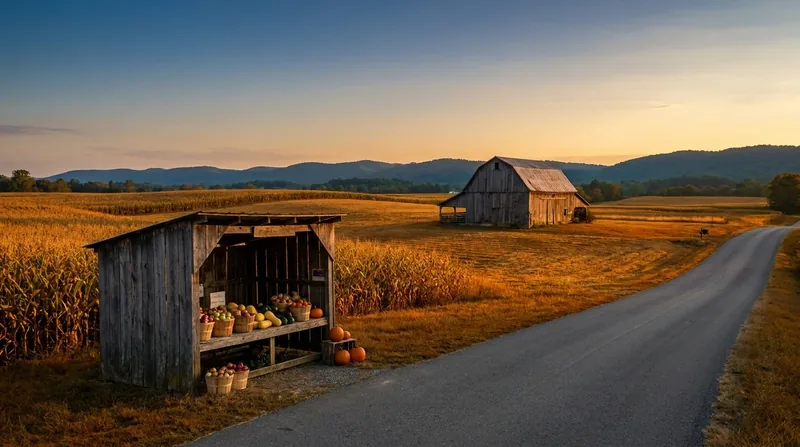
How to Start a Farm Business in Missouri
How to Start a Farm Business in Missouri
Starting a farm business in Missouri means navigating two separate systems: the business formation side (choosing your legal structure, registering with the state) and the agricultural side (securing land, equipment, learning your market). This guide walks you through both. Whether you are raising livestock, growing commodity crops like soybeans or corn, or selling produce directly to consumers, Missouri offers pathways specific to agricultural operations. Many beginning farmers qualify for state-backed loans, tax breaks, and exemptions that reduce startup friction.
Materials and Resources You Will Need
- Business formation documents: Articles of Organization (if forming an LLC) or Articles of Incorporation (if forming a corporation)
- A Missouri address for your registered office
- Proof of identity (driver's license or state ID)
- Land use documentation or lease agreement (if renting)
- Business plan or farm plan (required by some lenders)
- Proof of agricultural training or experience (for some loan programs)
- Access to the Missouri Secretary of State online filing portal and Missouri Department of Revenue registration system
- Contact information for your local Small Business Development Center (Missouri SBDC)
Step-by-Step Instructions
Step 1: Choose Your Business Structure
Most Missouri farms operate as sole proprietorships, limited liability companies (LLCs), or S corporations. Each has different liability protection, tax treatment, and administrative burden.
A sole proprietorship is the simplest: you are the business, no separate filing required, and you pay self-employment tax on all farm income. This works for very small operations or if you are testing a farm idea before committing capital.
An LLC provides liability protection (creditors generally cannot pursue your personal assets) while allowing pass-through taxation (income flows to you and is taxed at your personal income tax rate, currently 0 to 4.70 percent for Missouri in 2026). LLCs file Articles of Organization with the Missouri Secretary of State for a $50 fee. Online filings are processed immediately; no annual report or ongoing maintenance fee is required for Missouri LLCs. The name must include "Limited Company," "Limited Liability Company," or the abbreviation LLC, LC, L.C., or L.L.C.
An S corporation provides similar liability protection but requires corporate tax filings and annual reports ($20 fee annually). S corps can reduce self-employment tax if your farm has high net income, but the complexity is only worth it once your operation is established and profitable. For most beginning farmers, an LLC is the practical choice.
Step 2: Reserve or Register Your Farm Business Name
If you are forming an LLC or corporation, the name becomes part of your state registration. If you are using a name different from your legal name as a sole proprietor, you need a Registration of Fictitious Name (Form Corp. 56) filed with the Missouri Secretary of State for a $7.00 fee. This is statewide filing with the Corporations Division, not county by county.
Before you file, search the Missouri Secretary of State business database at https://bsd.sos.mo.gov/BusinessEntity/BESearch.aspx to confirm your name is distinguishable from existing businesses. If you want to lock in a name before you are ready to file everything, Missouri offers a 60-day name reservation for $25, renewable for two additional 60-day periods (180 days total).
Step 3: File Formation Documents and Obtain an EIN
To form an LLC, file your Articles of Organization through the Missouri Business Filings portal (https://bsd.sos.mo.gov/). The filing fee is $50 and processing is typically immediate for online submissions. You will receive a confirmation with your LLC filing number.
Once you have a business structure, you need a federal Employer Identification Number (EIN), commonly called a tax ID or farm tax ID. You apply for an EIN free of charge through the IRS at https://www.irs.gov/ein. You can apply online, by phone, by fax, or by mail. Online is fastest and gives you a number immediately. Even if you have no employees, an EIN separates your farm's finances from your personal finances, which is essential for business accounting and loan applications. If you are a sole proprietor, you can use your Social Security number for tax purposes, but an EIN is still recommended for the same reasons.
Step 4: Register for State Taxes and a Sales Tax License
Visit the Missouri Department of Revenue at https://dor.mo.gov/register-business/ to register for the taxes that apply to your farm.
If you sell tangible farm products (produce, meat, grains, etc.) directly to consumers or other businesses, you must register for a sales tax license. Missouri's state sales tax rate is 4.225 percent; local jurisdictions add additional tax. Farmers have some important exemptions: under RSMo 144.527, farm products sold at farmers' markets are exempt from sales tax collection for sellers with less than $25,000 in estimated annual farmers' market sales. Under RSMo 150.030, farmers selling their own produce are exempt from county and city merchant licenses unless they keep a regular stand or place of business away from the farm. Consult your county extension office if you plan a roadside stand or farmers market presence in a neighboring county to understand local requirements.
If you hire employees, register for employer withholding with the Missouri Department of Revenue. If you have employees, also register with the Division of Employment Security for unemployment insurance.
Step 5: Investigate Missouri Agriculture Grants and the Beginning Farmer Loan Program
Missouri offers specific financial support for beginning farmers. The MASBDA Beginning Farmer Loan Program provides tax-exempt bond loans through participating lenders. Borrowers must be Missouri residents at least 18 years old with adequate working capital and experience in the type of farming planned, must not have owned more than 30 percent of the median farm size in their county, and must farm as their chief occupation. Apply through a participating local lender.
Missouri agriculture grants and funding vary by commodity, region, and program year. Search the Missouri Department of Agriculture website (https://agriculture.mo.gov/) and contact your county extension office (part of University of Missouri Extension) for current grant opportunities. Common programs support equipment, conservation practices, beginning farmer training, and livestock operations.
The Missouri Small Business Development Center (Missouri SBDC, https://sbdc.missouri.edu/) provides free or low-cost business planning, financial projections, and loan application assistance. If you are new to farming or business ownership, an SBDC advisor can help you create a farm business plan that lenders and grant programs will take seriously.
Step 6: Secure Land and Equipment
Land is your largest asset. Whether you own or lease, document it clearly. A lease agreement protects both you and the landowner and is required by most lenders as proof that you have secure access to farm ground. If purchasing, work with a real estate professional and an attorney familiar with agricultural land transactions.
Equipment purchases are a major startup cost. Many beginning farmers rent or purchase used equipment to reduce capital needs. Keep receipts and maintain an equipment log for tax depreciation and business records.
Step 7: Apply for Agricultural Tax Exemptions
Missouri farmers are eligible for sales tax exemptions on agricultural inputs. The key exemption: seeds, fertilizers, pesticides, and equipment used directly in producing agricultural commodities are exempt from Missouri sales tax. At purchase, give the seller a completed Missouri Sales and Use Tax Exemption Certificate (Form 149). Ask your lender or the Department of Revenue which exemption forms apply to your operation.
Consult a tax professional or CPA about federal tax deductions available to farmers, including depreciation of equipment and structures, home office deductions if you maintain an office on the farm, and the qualified business income (QBI) deduction, which allows eligible farmers to deduct up to 20 percent of net farm income (subject to income limits and other rules).
Step 8: Set Up Accounting and Insurance
Open a business bank account in your LLC or business name (or your sole proprietor EIN). Deposit all farm income and pay all farm expenses through this account. Commingling personal and business money undermines your LLC liability protection and complicates tax filings.
Obtain farm business insurance. Standard homeowners or renters insurance does not cover farm operations. You need farm liability insurance (covers injury on your farm), farm property insurance (covers buildings and equipment), and vehicle insurance that covers commercial farm use. The cost varies by operation, but it is non-negotiable; a lawsuit or equipment loss without insurance can end a farm.
Tips and Common Mistakes to Avoid
- Do not skip the business plan. Banks and grant programs require it. The Missouri SBDC will help you write one free of charge.
- Do not delay registering for a sales tax license or farm exemptions. You can be liable for back taxes if you discover later that sales tax was owed.
- Do not underestimate equipment costs. Factor in maintenance, fuel, and replacement cycles. Talk to established farmers about realistic costs for your crop or livestock type.
- Do not operate as a sole proprietor if you have significant liability exposure. Livestock, equipment, and hired labor increase your legal risk. An LLC costs $50 and protects your personal assets.
- Do not ignore commodity prices and market demand. Growing soybeans, corn, poultry, cattle, or hogs are Missouri's leading farm commodities. Research your target market before committing to a crop or livestock operation.
- Do not forget to renew your registrations on time. Corporations owe annual registration reports ($20); LLCs do not. Fictitious name registrations with the Secretary of State last five years and must be renewed.
- Do not use your personal Social Security number for farm business on loan applications. An EIN, even as a sole proprietor, makes your farm look professional and separates personal and business finances.
Expected Results
After completing these steps, you can expect to own or control farm land, have a legal business entity recognized by Missouri and the IRS, be registered with the state for applicable taxes, and have access to farm-specific financing and exemptions. Your setup time is typically 2 to 4 weeks for online filings and registrations.
However, starting a farm is not a transaction; it is a process. Your first years will involve learning crop rotations, managing cash flow through seasonal cycles, adjusting to weather and commodity price swings, and building relationships with suppliers and customers. The paperwork is the foundation; the farm itself takes time and experience to build.
Legal Disclaimer
This article is informational only and does not constitute legal or tax advice. Farm businesses involve complex liability, tax, and regulatory considerations that vary based on your specific operation, location, and financial situation. Consult a Missouri licensed attorney and a CPA or tax professional before making final decisions on business structure, tax strategy, or any matter involving legal compliance. The Missouri Small Business Development Center and your county extension office are free resources for business planning guidance; use them before you invest significant capital.
Next Steps
Begin with a conversation with your county extension office and a local lender familiar with farm loans. They can advise you on Missouri agriculture grants available in your area, help you understand farm tax exemptions specific to your crop or livestock, and guide you through the Missouri beginning farmer loan program if you qualify. Visit the Missouri Secretary of State website to form your business entity and search existing business names. Contact the Missouri SBDC to start a business plan. The paperwork moves quickly; the real work is the farm itself.
Keep exploring: related Missouri guides
- How to Start a Dog Breeding or Kennel Business in Missouri
- How to Start a Float Trip or Canoe Rental Business in Missouri
- How to Start a Meat or Deer Processing Business in Missouri
- How to Start an LLC in Missouri
- Missouri Business License
- How Much Does It Cost to Start a Business in Missouri
- All Missouri business types
- Every Missouri guide in one place