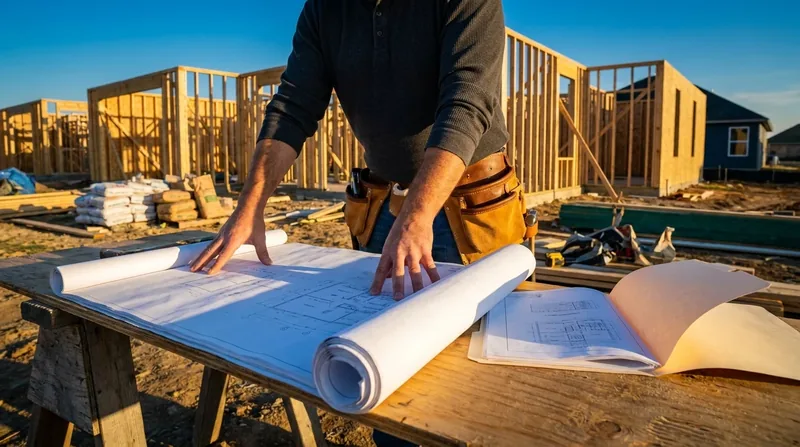
How to Become a Home Inspector in Missouri (No State License)
How to Become a Home Inspector in Missouri (No State License)
Missouri does not require state licensure to work as a home inspector, which means the path to starting a home inspection business is more flexible than in regulated states. However, a lack of legal requirements does not mean a lack of professional standards. To build a credible, insurable home inspection practice in Missouri, you'll need industry credentials, proper insurance, and a solid business foundation. This guide walks you through exactly what it takes.
Understanding Missouri's Home Inspector Regulatory Landscape
As of 2026, Missouri has no state home-inspector license. This is a significant fact that shapes everything else: you do not need to pass a state exam, pay a state licensing fee, or meet mandatory state education hours before you can call yourself a home inspector. That freedom comes with responsibility. Clients, lenders, and insurance companies will expect credentials and professionalism even though the state does not mandate them.
What this means in practice is that your credibility rests on three pillars: professional certification from a nationally recognized organization, errors-and-omissions insurance, and a properly registered business entity. Together, these signal to clients and transaction partners that you meet industry standards even though Missouri law does not require it.
Step 1: Obtain Industry Certification
The two major certifying bodies for home inspectors in the United States are ASHI (American Society of Home Inspectors) and InterNACHI (International Association of Certified Home Inspectors). While neither is mandated by Missouri law, both are widely recognized and help you access the inspection referral networks that drive business.
ASHI Certification
ASHI's Certified Inspector credential requires you to pass the National Home Inspector Examination, complete ASHI's Standards of Practice and ethics requirements, and document a substantial number of fee-paid inspections. Check ASHI's current requirements and fees. ASHI membership and recertification involve annual fees. ASHI-certified inspectors can list themselves in the ASHI inspector locator, which generates client referrals.
InterNACHI Certification
InterNACHI requires you to complete their online training module and pass an examination. Membership is more affordable than ASHI, with initial certification generally costing less than 500 dollars, and it includes online training materials. InterNACHI also maintains a searchable inspector directory and offers continuing education. The recertification process is similarly straightforward.
Many inspectors hold both certifications for added credibility. Choose based on which organization's business model and training materials align better with your needs. Either certification, combined with E&O insurance, positions you as a professional even in an unlicensed state.
Step 2: Get Errors-and-Omissions Insurance
E&O insurance is not optional for a home inspection business in Missouri. Clients and transaction parties expect it, and it protects you from claims that you missed a defect or performed a negligent inspection. Without E&O insurance, you cannot realistically compete or defend yourself financially if a claim arises.
What E&O Insurance Covers
Errors-and-omissions insurance covers legal costs and damages if a client sues you for failing to identify a defect, performing an inspection that did not meet standards, or giving faulty advice. Coverage typically includes defense costs, judgment payouts, and settlements. Most policies cost between 600 to 1,500 dollars per year depending on your coverage limits, deductible, and your experience level.
Getting an E&O Quote
Contact insurance brokers who specialize in home inspector coverage. Many ask about your certification, years of experience, number of annual inspections, and claims history. If you are new to the field, quotes will be higher; as your track record grows, premiums typically decline. Some insurers require ASHI or InterNACHI membership before they will issue a policy, so secure certification first.
Step 3: Choose Your Business Structure and Register with the State
You can operate as a sole proprietor or form a business entity such as an LLC. While not legally required in Missouri, forming an LLC offers personal liability protection and is strongly recommended for any professional service business.
Sole Proprietorship
A sole proprietorship requires no formal filing. You pay personal income tax on earnings and have no separation between personal and business liabilities. This structure is simple but offers no liability shield if you are sued.
Limited Liability Company (LLC)
Forming an LLC in Missouri costs 50 dollars (the Secretary of State filing fee) and takes minutes if you file online through the Missouri Business Filings portal at https://bsd.sos.mo.gov/. You will file Form LLC-1 (Articles of Organization) and choose a business name that includes LLC or Limited Liability Company. Online filings are typically processed immediately.
An LLC separates your personal assets from business liabilities, which is critical if a claim against your business exceeds your insurance limits. Many clients and lenders prefer working with an established business entity rather than a solo operator.
Federal Employer Identification Number (EIN)
If you form an LLC, apply for a free EIN from the IRS at https://www.irs.gov/ein. If you operate as a sole proprietor, you can use your Social Security number for tax purposes, though an EIN keeps business and personal finances separate on your tax return.
Step 4: Register for Missouri Taxes and Licenses
Missouri has no general statewide business license requirement. However, you must register with the Missouri Department of Revenue for the taxes that apply to your business.
Sales Tax Permit
Home inspections themselves are not subject to Missouri sales tax, but if you sell related products or services (such as radon testing kits or written reports you resell), you may need a sales tax permit. Register at https://dor.mo.gov/register-business/ and confirm with the Department of Revenue whether your services are taxable.
Corporate Income Tax
If you form an LLC that is taxed as a corporation, you will pay Missouri's corporate income tax at a flat 4 percent rate. If your LLC is taxed as a sole proprietorship or partnership (the default), you pay personal income tax on your share of business profits at graduated rates topping out at 4.70 percent for 2026.
Local Business License
Your city or county may require a local business license or permit. Contact your city or county clerk to confirm local requirements for home inspectors. This is a local matter, not a state one, so requirements vary by jurisdiction within Missouri.
Step 5: Special Considerations for Wood-Destroying Insect Inspections
Many home inspectors also perform wood-destroying insect (WDI) inspections as an upsell service. If your WDI work involves treatment recommendations or if you perform treatments yourself, you may need a pesticide license from the Missouri Department of Agriculture. Ask the MDA whether inspection-only work requires a separate license. If you only identify and report WDI damage without recommending treatment, licensing may not apply to you, but confirm this before marketing WDI inspection services.
Step 6: Radon Testing and Certification
Radon testing is not an MDA-licensed activity in Missouri, so you do not need special pesticide licensing to perform radon testing. However, EPA guidance points consumers to testers certified through a national radon proficiency program (NRPP or NRSB). This certification is not legally mandated in Missouri but is expected by many clients. Check the program's current course and exam costs. Once certified, you can bill separately for radon testing and expand your revenue per inspection.
Step 7: Develop Your Service Offering and Pricing
Home inspection fees in Missouri vary by inspector, location, and property size. A typical residential inspection ranges from 300 to 600 dollars. Research competitors in your market to set competitive rates. Many inspectors charge extra for add-ons like radon testing (50 to 200 dollars), wood-destroying insect inspection (75 to 150 dollars), or septic system inspections (100 to 250 dollars), which in Missouri call for DHSS onsite wastewater inspector/evaluator registration.
Create a clear service menu, a sample report template, and a professional website so clients know exactly what you offer. Use your ASHI or InterNACHI certification and your E&O insurance as selling points in your marketing materials.
Step 8: Build Your Referral Network
Home inspections are typically ordered by real estate agents, mortgage lenders, and home buyers. Your path to steady business is to become a trusted referral source for agents and loan officers in your market. Attend local real estate networking events, introduce yourself to title companies, and ask real estate agents how you can support their clients. A professional demeanor, clear communication, and reliable inspections will generate word-of-mouth referrals.
Common Mistakes to Avoid
- Skipping E&O insurance. Operating without errors-and-omissions coverage exposes you to financial ruin if a client sues. Do not launch without it.
- Claiming to be licensed when Missouri has no state license. Be clear that you are certified by ASHI or InterNACHI, not state-licensed. Misrepresenting licensure can invite legal trouble.
- Performing WDI treatment without confirming MDA requirements. Verify directly with the Missouri Department of Agriculture what licensing, if any, applies to your WDI services before you offer them.
- Underpricing your inspections. Home inspection is a skilled service. Underpricing erodes profitability and signals low quality. Price competitively, not cheaply.
- Neglecting continuing education. Even though Missouri does not mandate it, staying current on building codes, inspection standards, and regional defect patterns keeps you competitive and reduces the risk of missed defects.
Expected Results and Timeline
If you follow these steps, you can launch a home inspection business in Missouri within four to eight weeks. Obtaining ASHI or InterNACHI certification typically takes two to four weeks. Securing E&O insurance takes a few days once you have certification. Forming an LLC online is typically processed immediately, and tax registration takes a few days. Building a visible referral network and establishing a steady flow of inspections takes longer, typically three to six months. Many new inspectors perform 5 to 10 inspections per month in their first year as they build relationships and establish their reputation.
Your actual success will depend on your market, your marketing effort, your professionalism, and the quality of your inspections. Missouri's lack of state licensing is an opportunity: you enter the field with lower barriers to entry than in regulated states, but you must compensate by building strong credentials, insurance, and a professional reputation.
Disclaimer
This article provides informational guidance about starting a home inspection business in Missouri as of 2026. It is not legal or tax advice. Before launching your business, consult with a Missouri-licensed attorney regarding business formation, liability, and licensing requirements specific to your local jurisdiction. Consult a tax professional or CPA regarding tax registration, estimated payments, and deductions. Requirements may change, and local regulations vary. Always verify current requirements directly with the appropriate state or local agencies before making business decisions.
Keep exploring: related Missouri guides
- How to Become a Bail Bondsman in Missouri
- How to Become a Notary in Missouri
- How to Become an Insurance Agent in Missouri and Open an Agency
- How to Become a Private Investigator in Missouri
- How to Start an LLC in Missouri
- Missouri Business License
- How Much Does It Cost to Start a Business in Missouri
- All Missouri business types
- Every Missouri guide in one place